I lead design where products, technology, and teams are changing at once.
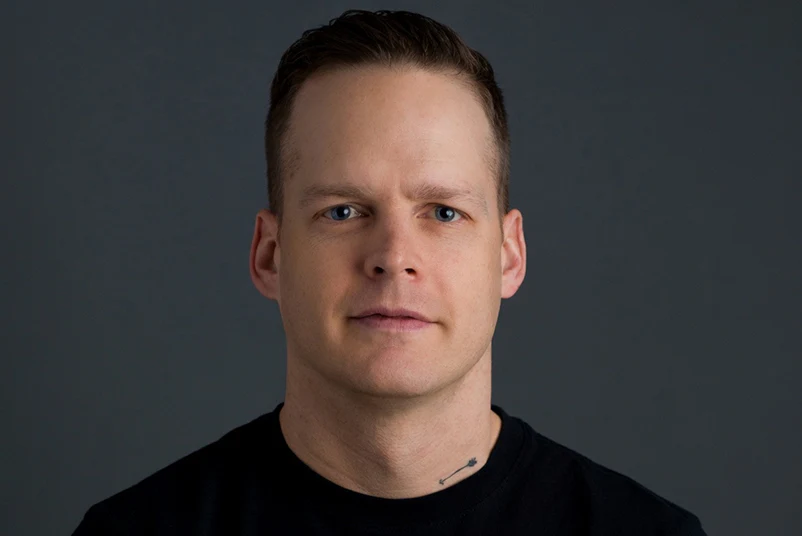
I define the problem, set clear standards, and stay involved until the team ships.
Clarity starts in the work.
When a product changes faster than its team can adapt, strategy alone is not enough. I bring customer evidence, product direction, critique, prototypes, and working code together so the team can understand the problem and decide what to build.
My scope has grown from interfaces to products, platforms, teams, and design systems. I stay involved in the craft because prototypes and working code expose weak assumptions. They also give teams a standard they can inspect and test.
“Jay’s one of those rare design leaders who can hold the big strategic picture in his head without losing sight of the actual product experience customers have to use.”
AI accelerates the work and raises the standard for judgment.
AI makes exploration and production faster. I use it to investigate possibilities, build sooner, and shorten the distance between an idea and something people can use.
Faster production raises the value of framing, taste, and judgment. The work is deciding what is worth pursuing, what to reject, and where human attention still makes the difference.
“When something’s off visually or experientially, he can point to it right away. Importantly though, he gets you to find the answer yourself, which is a much harder but more generous way to lead design.”
When products and teams need a new direction.
I do my best work when teams are defining a product category, unifying fragmented experiences, or changing how they build. I clarify the problem, set explicit standards, and turn direction into products the team can ship and improve.
I developed this approach as the founding designer at an e-commerce startup and across more than two decades at Microsoft, working on consumer products, enterprise platforms, and design systems.
“His small [Security Fluent Extension] team had an outsized impact thanks to a clear mission, intense customer focus, intuitive organization, open collaboration, and consistently well-crafted work.”