Outlook for Web
I shaped Outlook for Web for a decade and led its UX team for nearly six years across consumer and commercial experiences. This case study focuses on converging Outlook.com and Outlook Web App (OWA) on one shared foundation.
- Organization
- Microsoft
- Role
- Principal Product Design Manager
- Timeframe
- Jul 2014–Feb 2016
- Focus
- Product convergence, Design direction, Culture change
We began with customer needs, product priorities, and architecture, then defined what the two experiences should share.
One web platform, multiple customer contexts
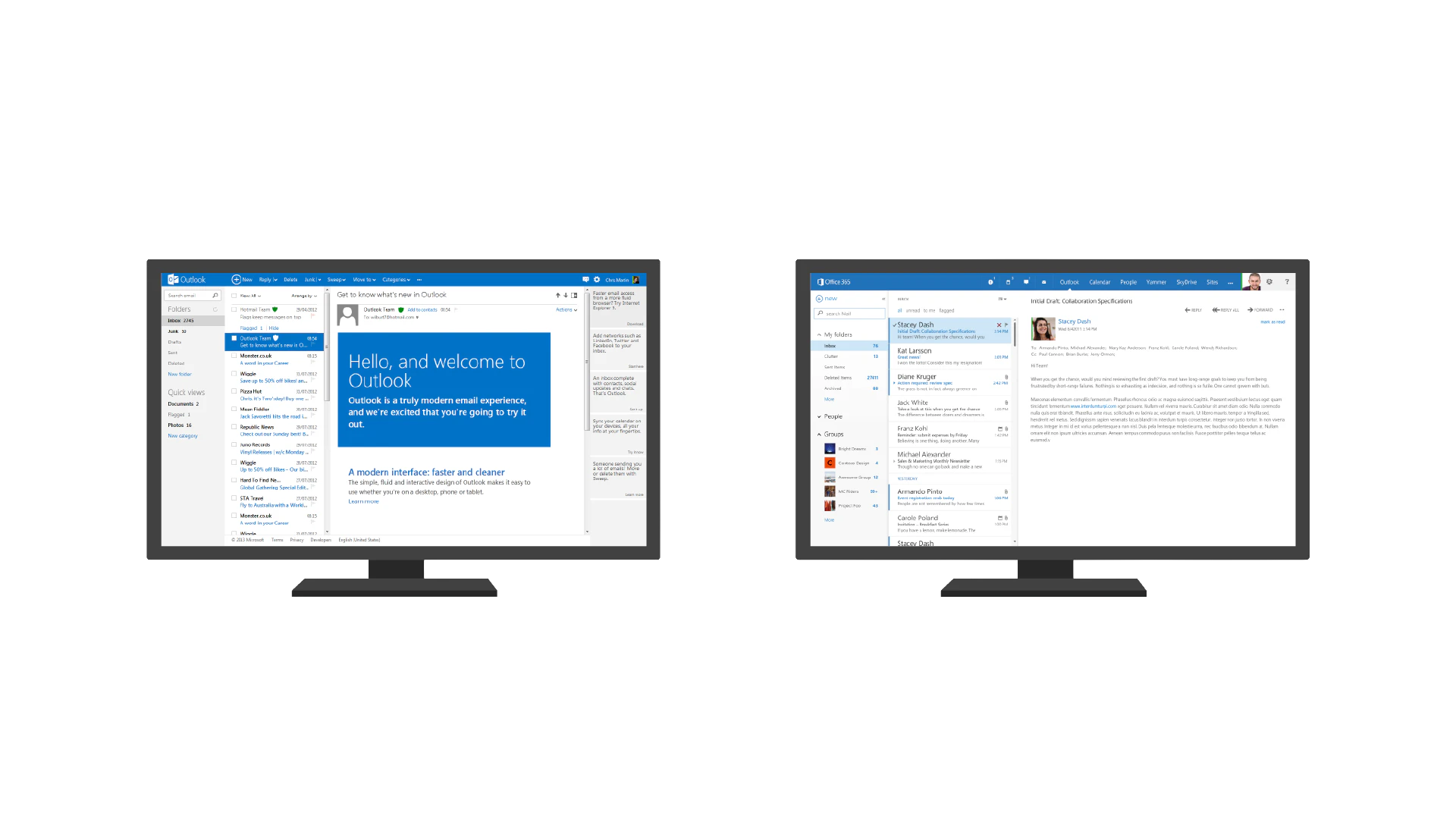
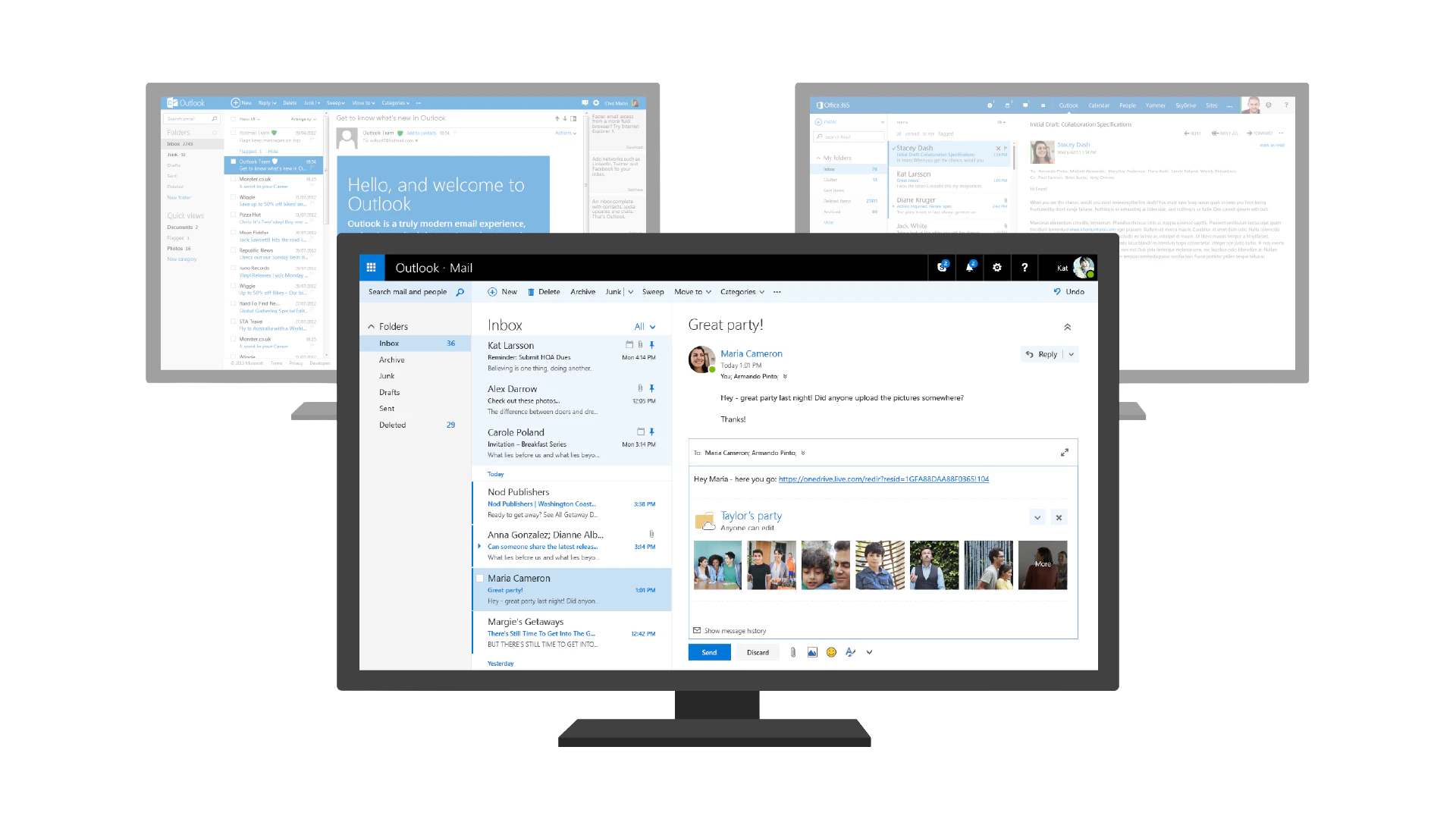
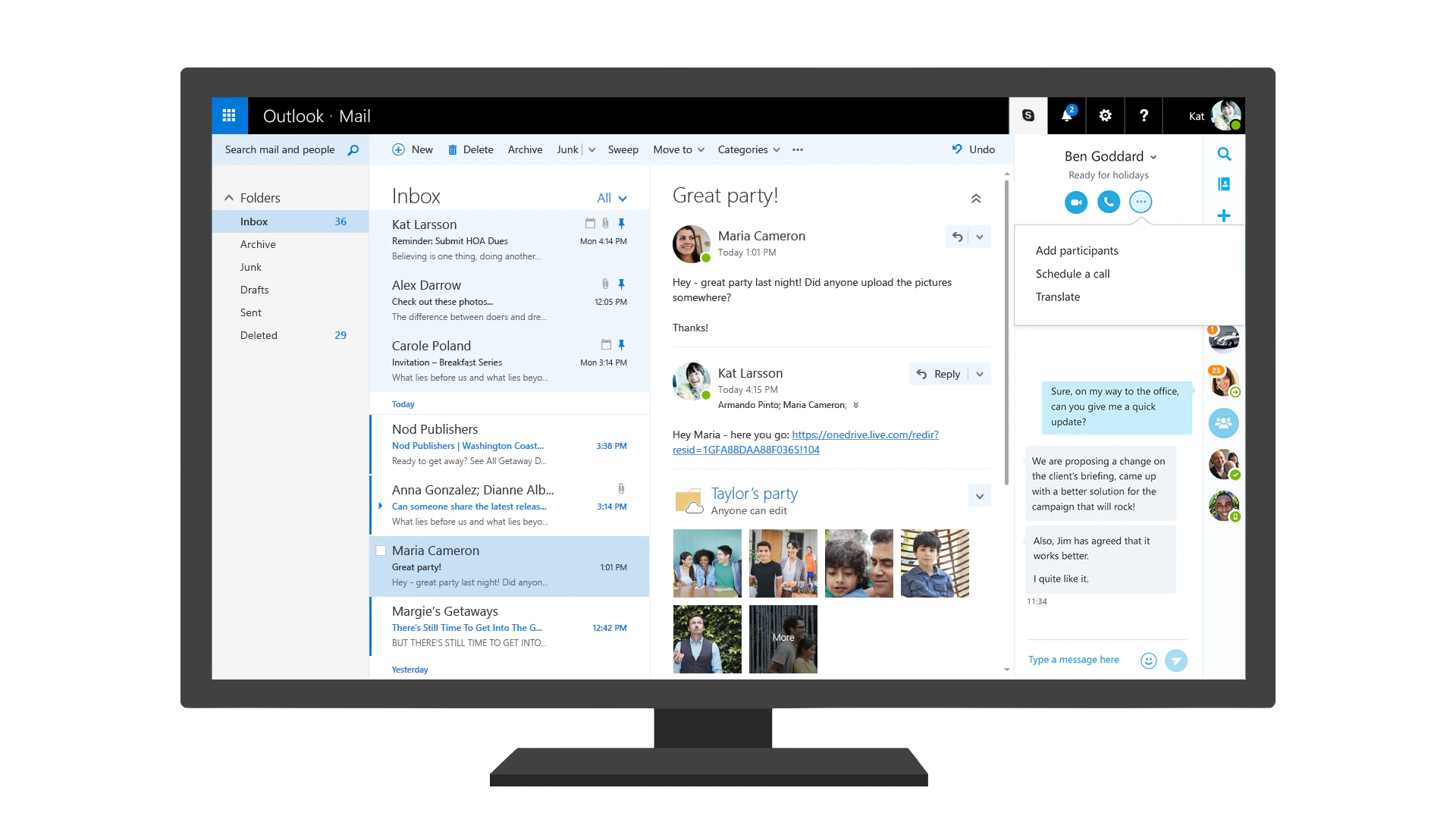
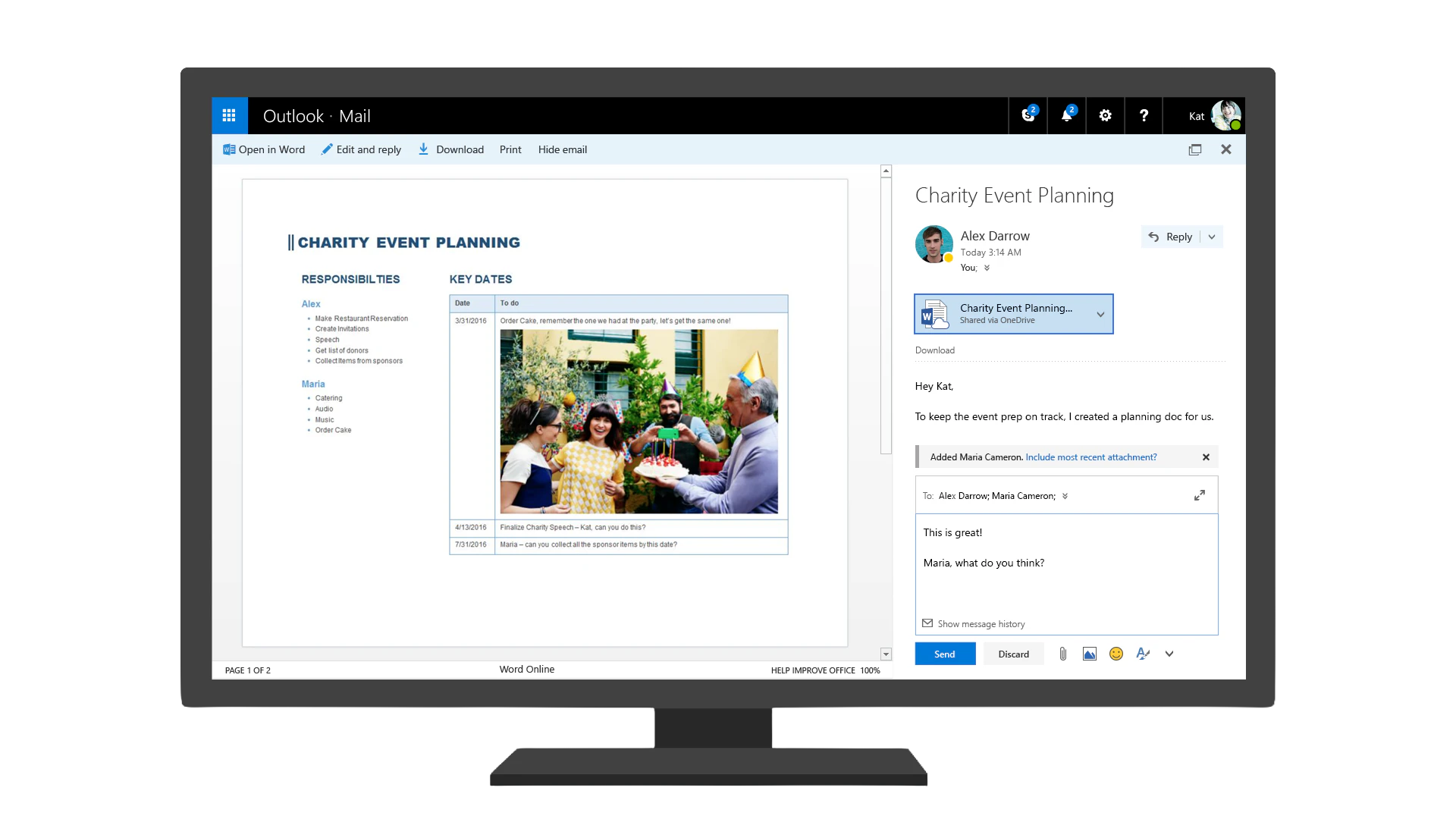
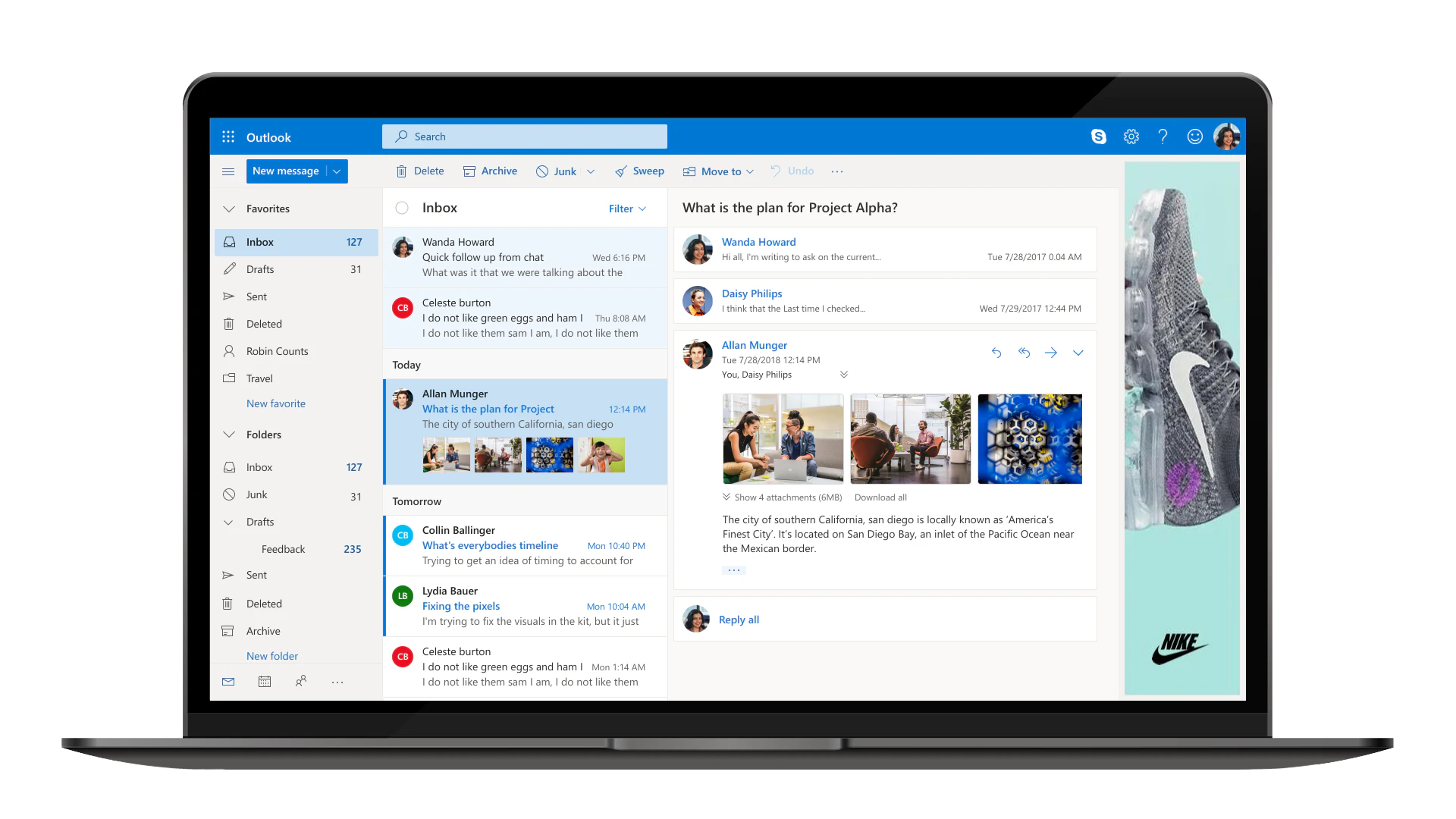
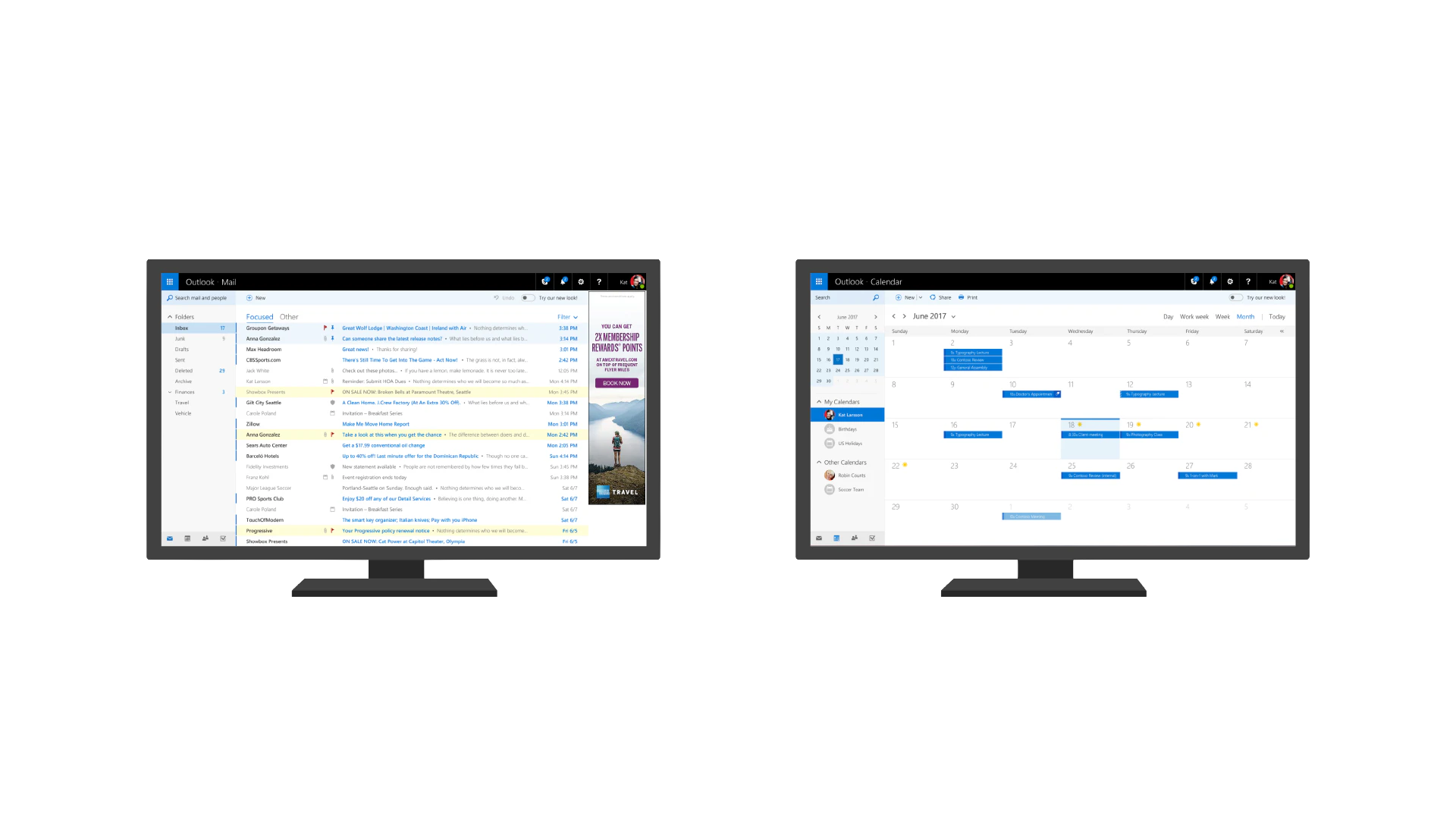
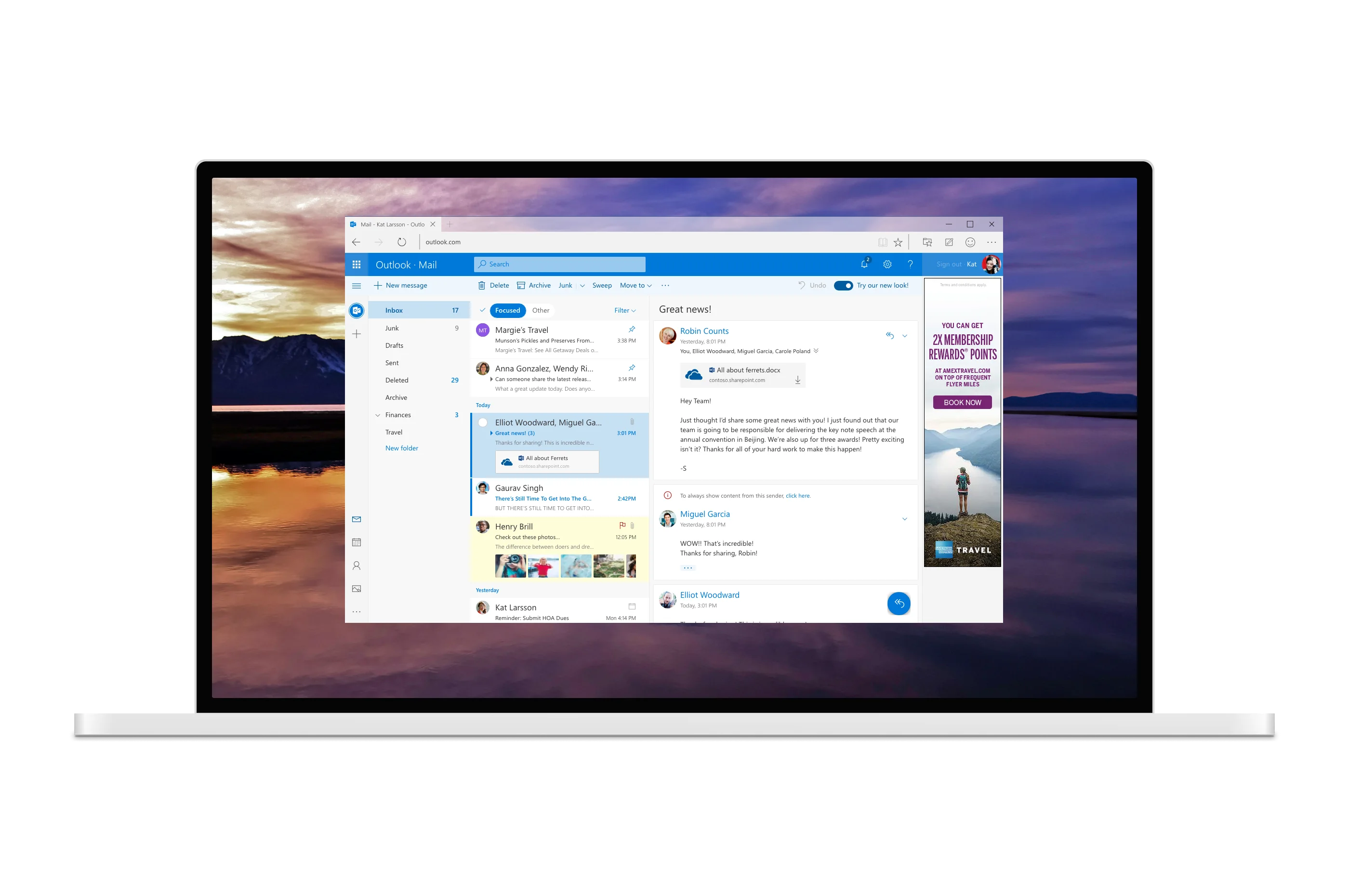
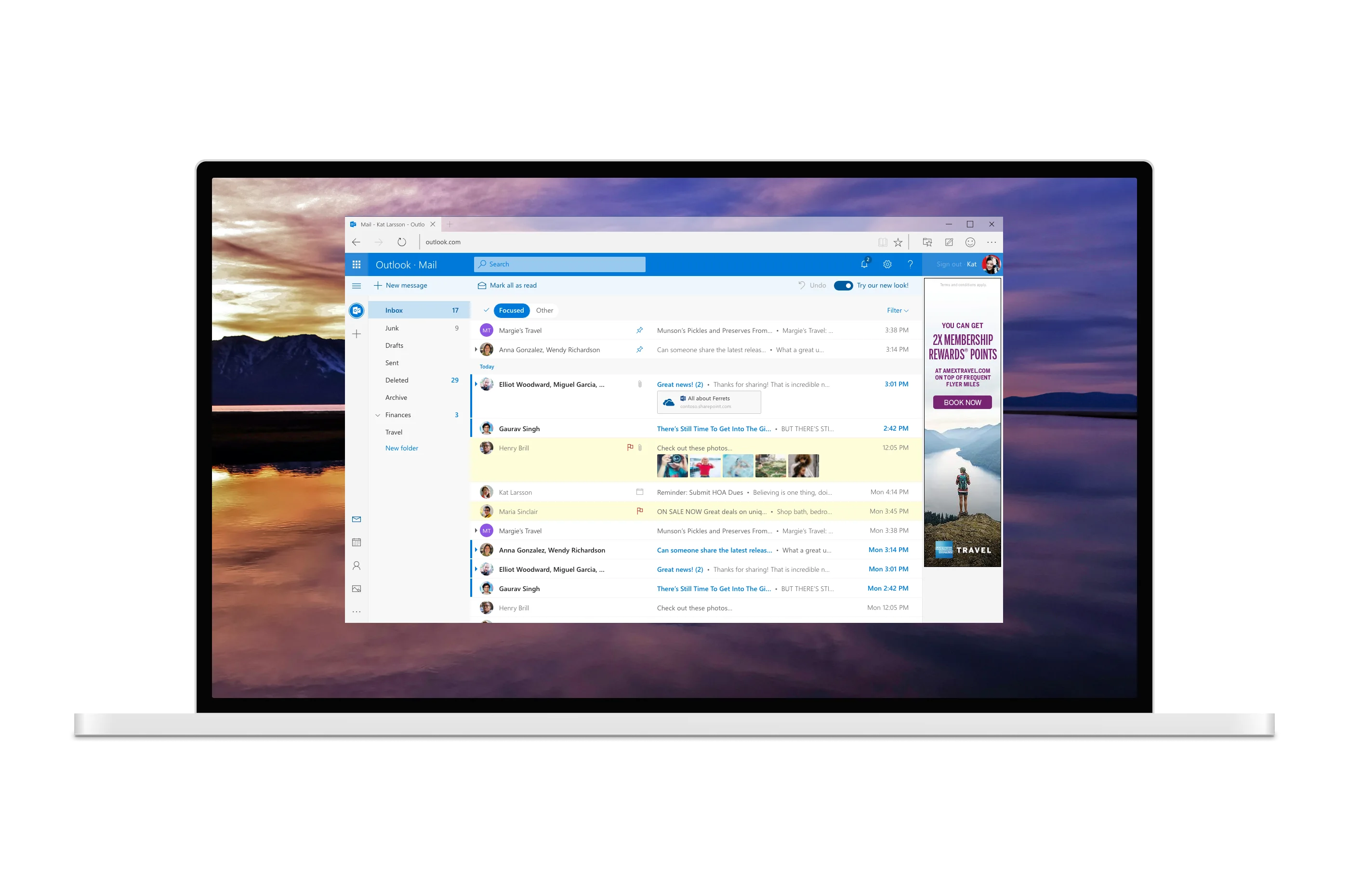
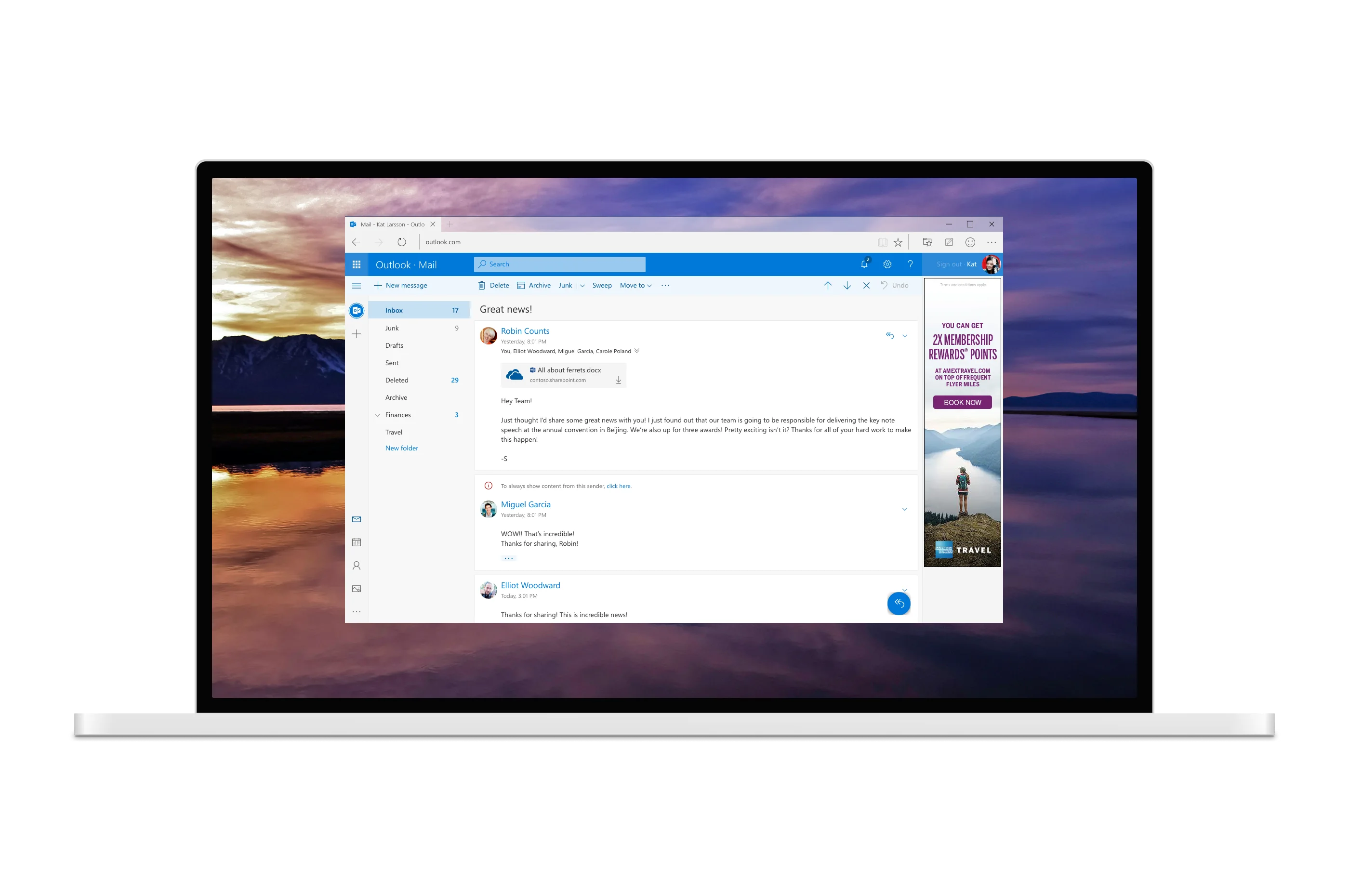
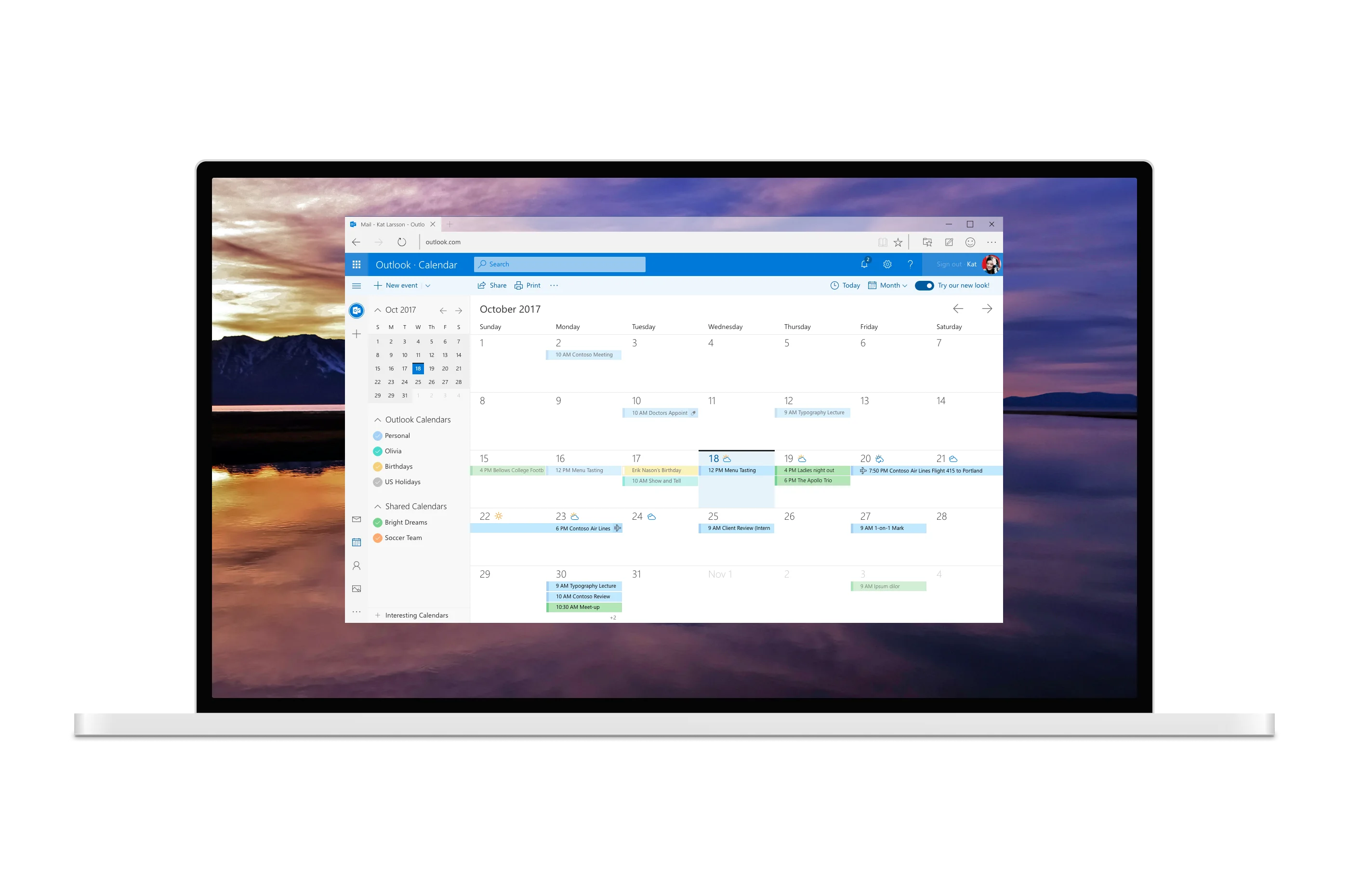
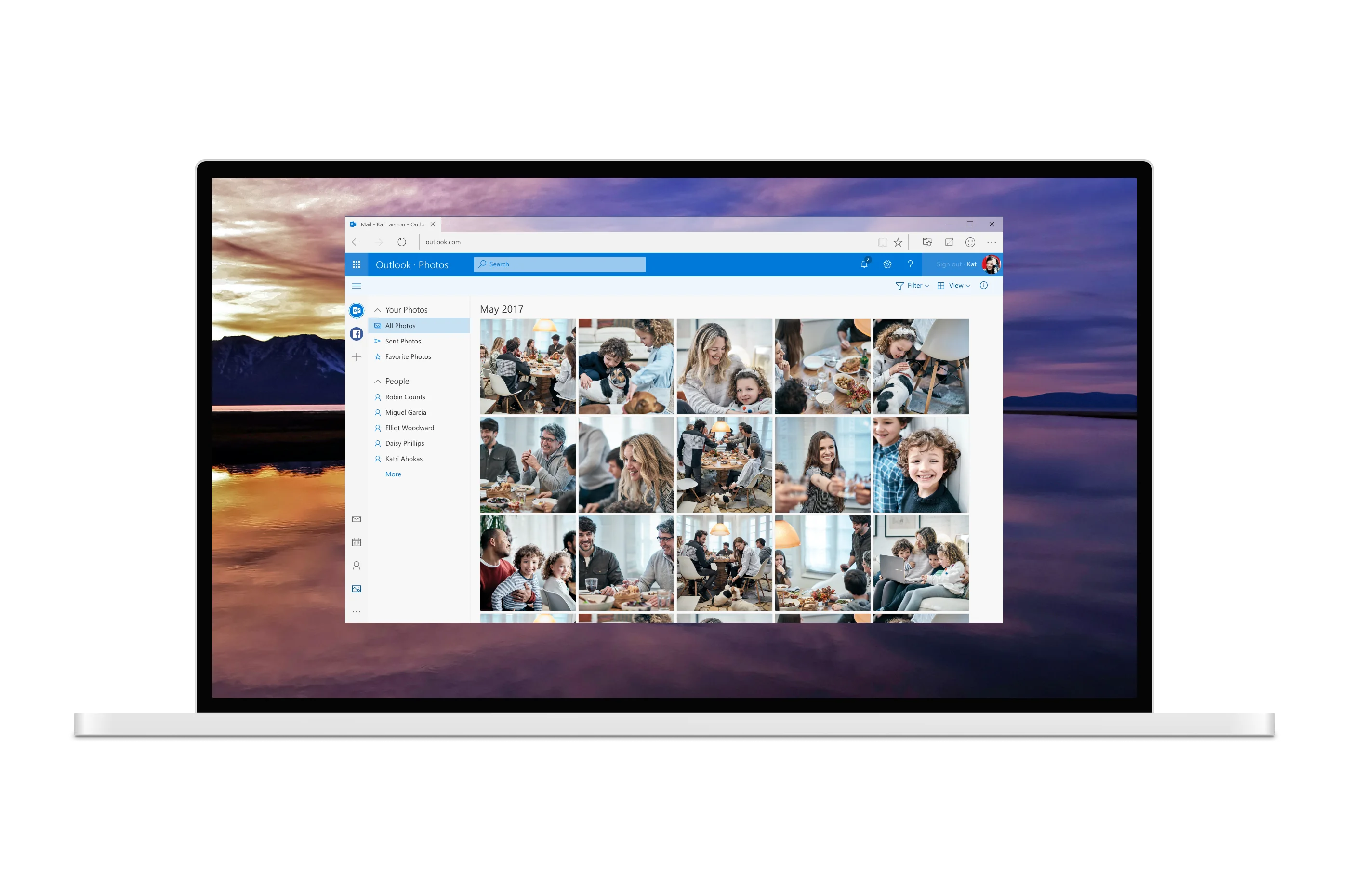
From July 2014 through February 2016, I led the convergence of Outlook.com and Outlook Web App (OWA). They served different audiences, product histories, and expectations. We created one experience direction while preserving the needs of consumer and commercial customers.
Build a shared foundation
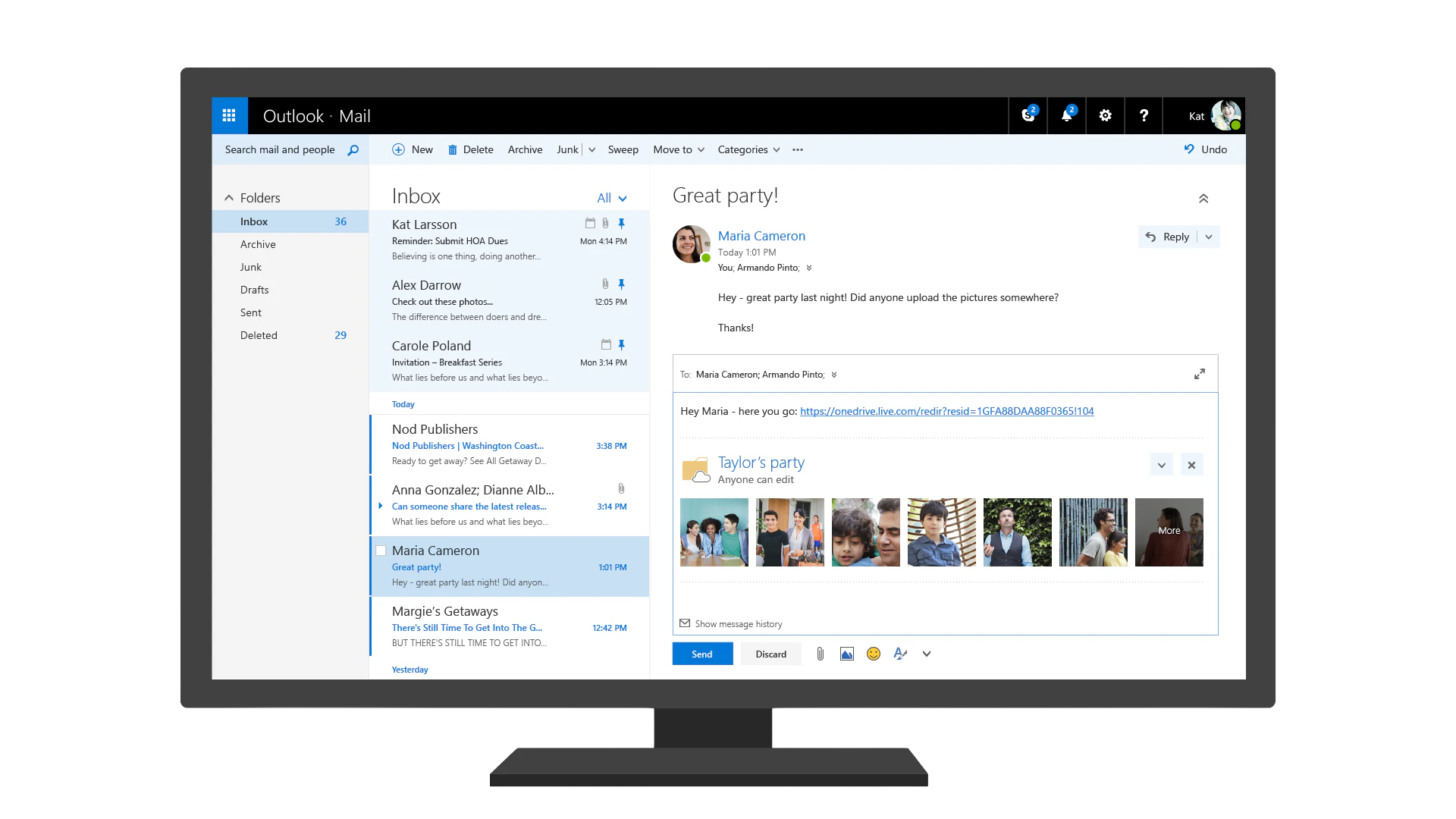
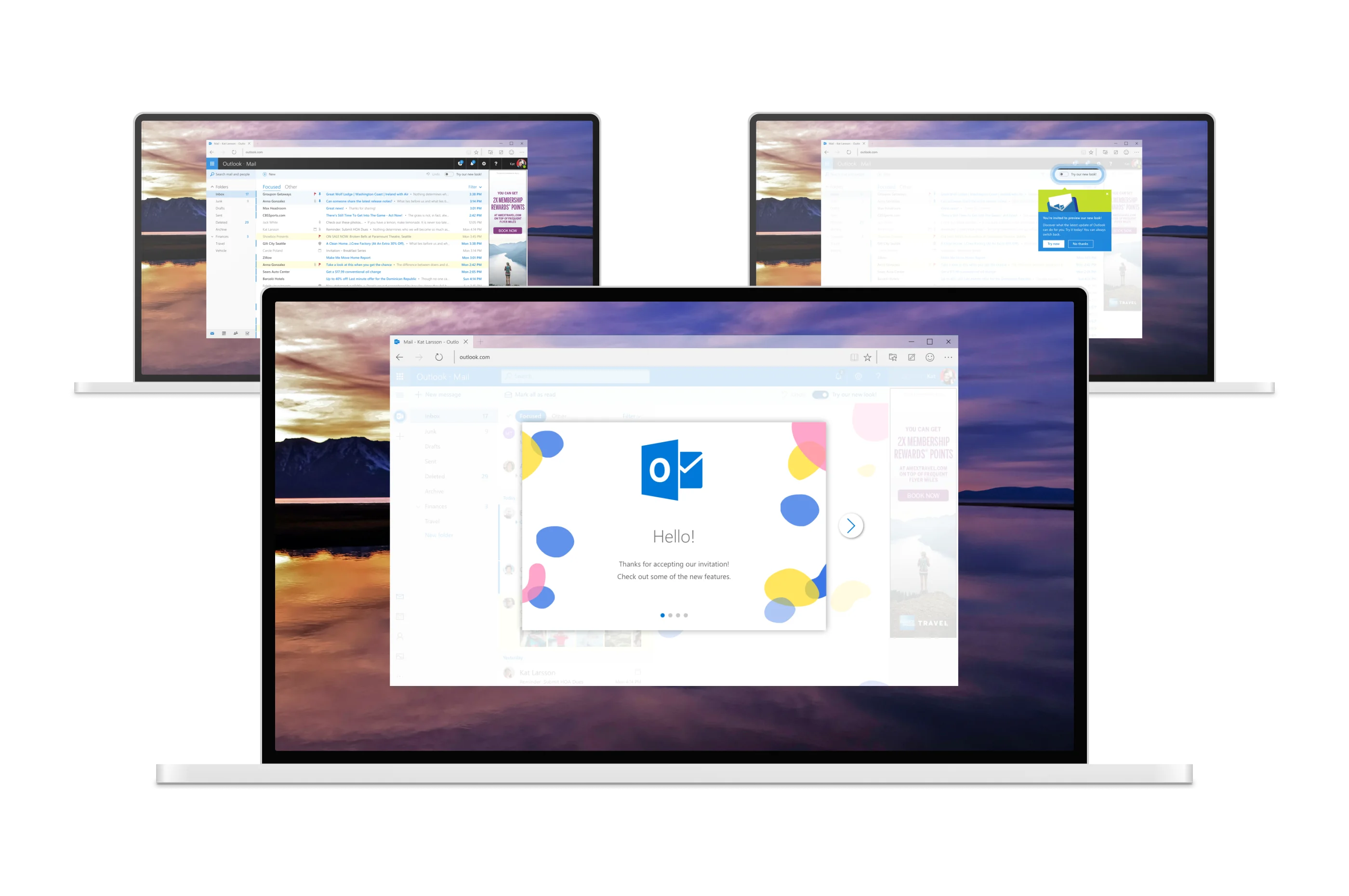
Over 18 months, I led the experience strategy with partners in Engineering, Product Management, and Research. Together, we evaluated both products, simplified inherited complexity, and defined a coherent model for consumer and commercial customers. Progressive onboarding helped move nearly one billion legitimate mailboxes. We excluded mailboxes likely tied to malicious accounts and protected familiar workflows during the transition.
Make change reversible
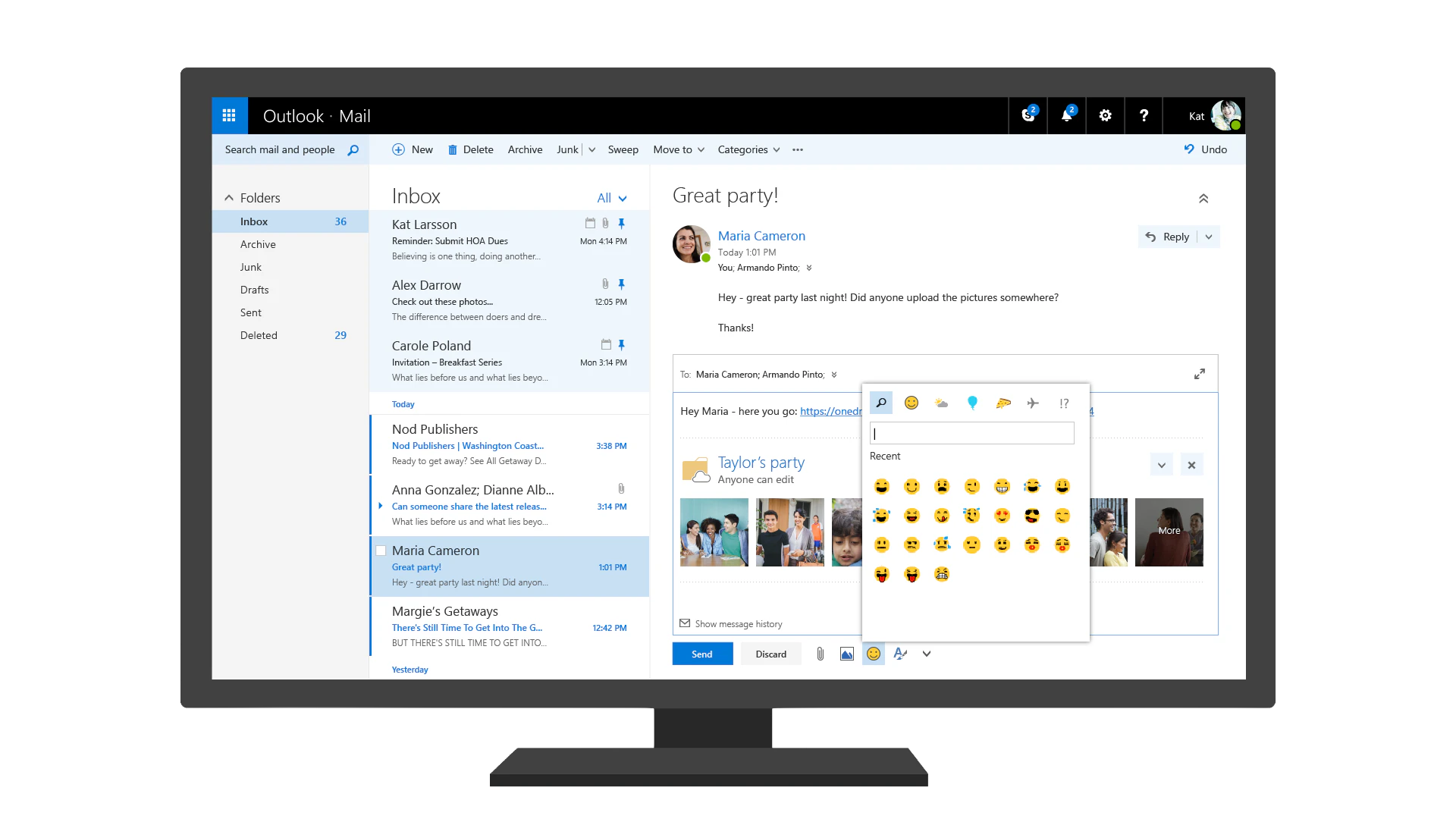
The React front end let us redesign the product and change how the team worked. I established a customer-centered vision, mapped more than 150 opportunities, and used a vision prototype to align Design, Research, Product Management, and Engineering. An opt-in path let customers try the new experience without losing the familiar one, reducing adoption risk as we learned and iterated.
Use the shared platform for continued development
The unified foundation gave Outlook for Web one surface for continued product development and experimentation. Consumer and commercial teams could evolve from a shared base without treating their customers as identical.