Windows Mail and Calendar
Led Mail and Calendar through two platform transitions and aligned its experience with Outlook for Web.
- Organization
- Microsoft
- Role
- Principal Product Design Manager
- Timeframe
- Jan 2017–May 2020
- Focus
- Experience strategy, Platform transitions, Portfolio alignment
Guide Windows Mail and Calendar through Fluent and React Native transitions while keeping the experience connected to Outlook for Web.
One UX direction across separate product organizations
I led UX for Windows Mail and Calendar from approximately January 2017 through May 2020. During the same period, I led Outlook for Web across screen sizes. Engineering and Product Management remained organized by product. Peer UX leaders led the native Outlook mobile and desktop apps. UX connected the web and Windows work while preserving each product’s needs.
The parallel web work is covered separately in the Outlook for Web story.
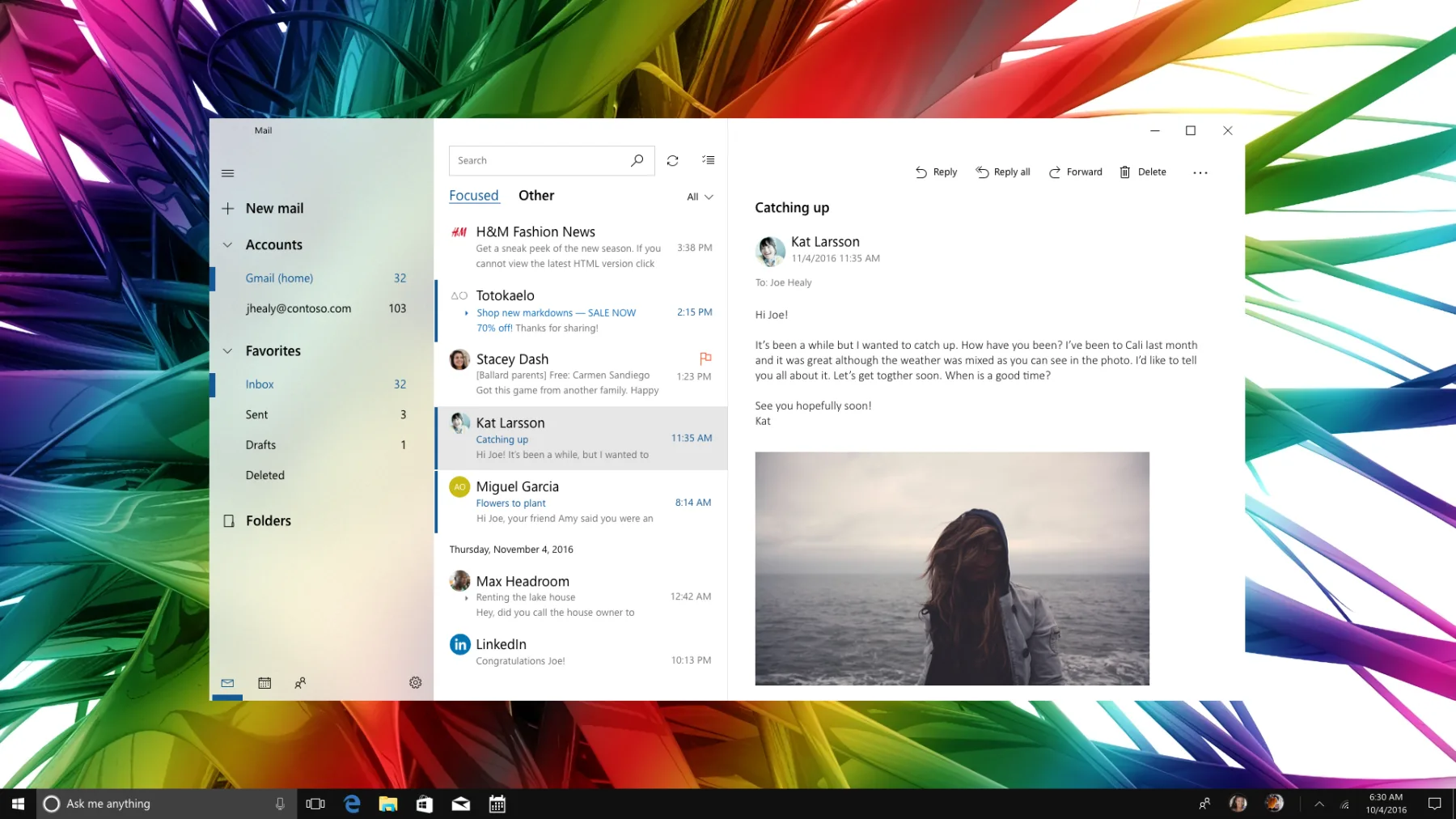
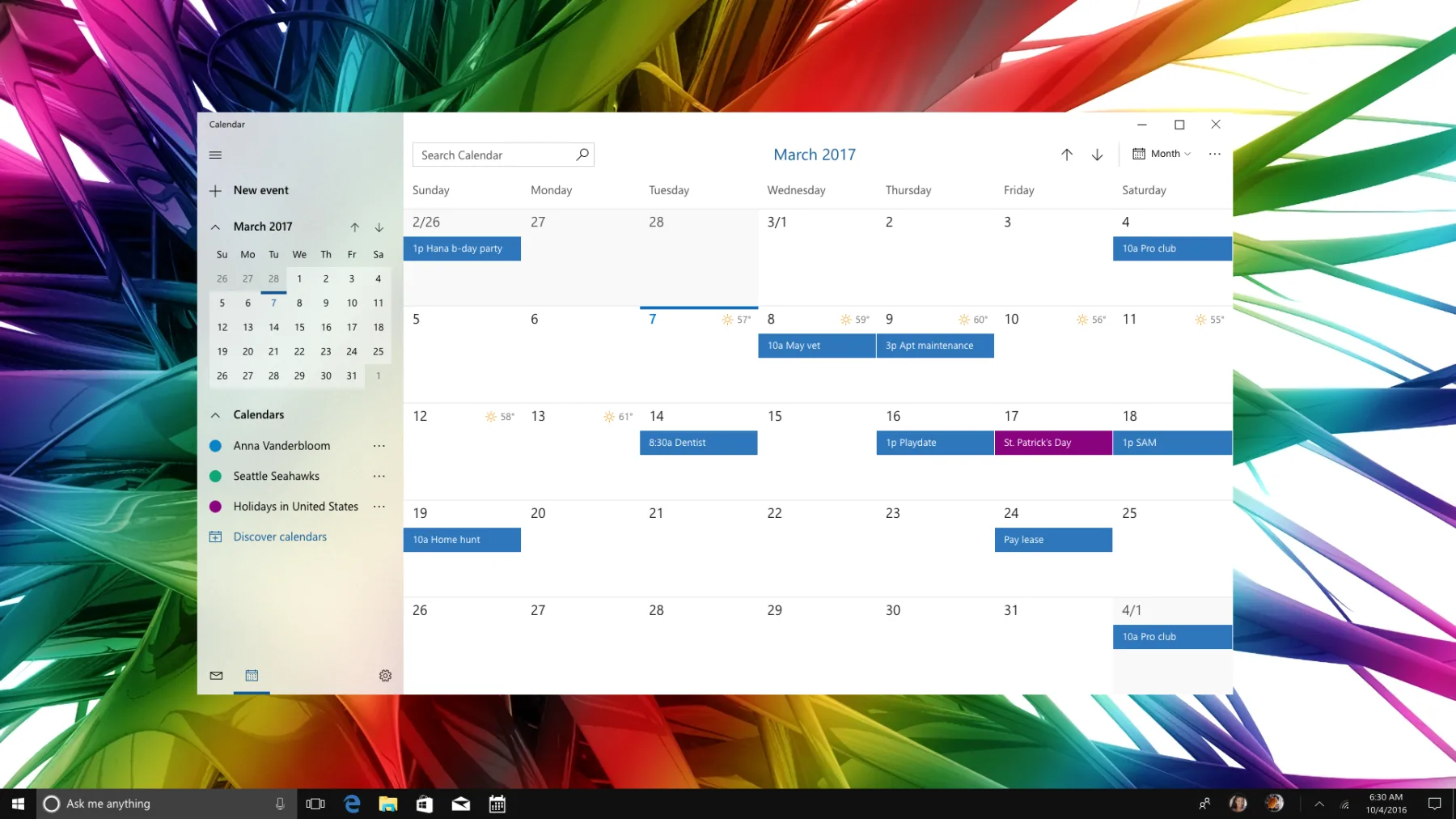
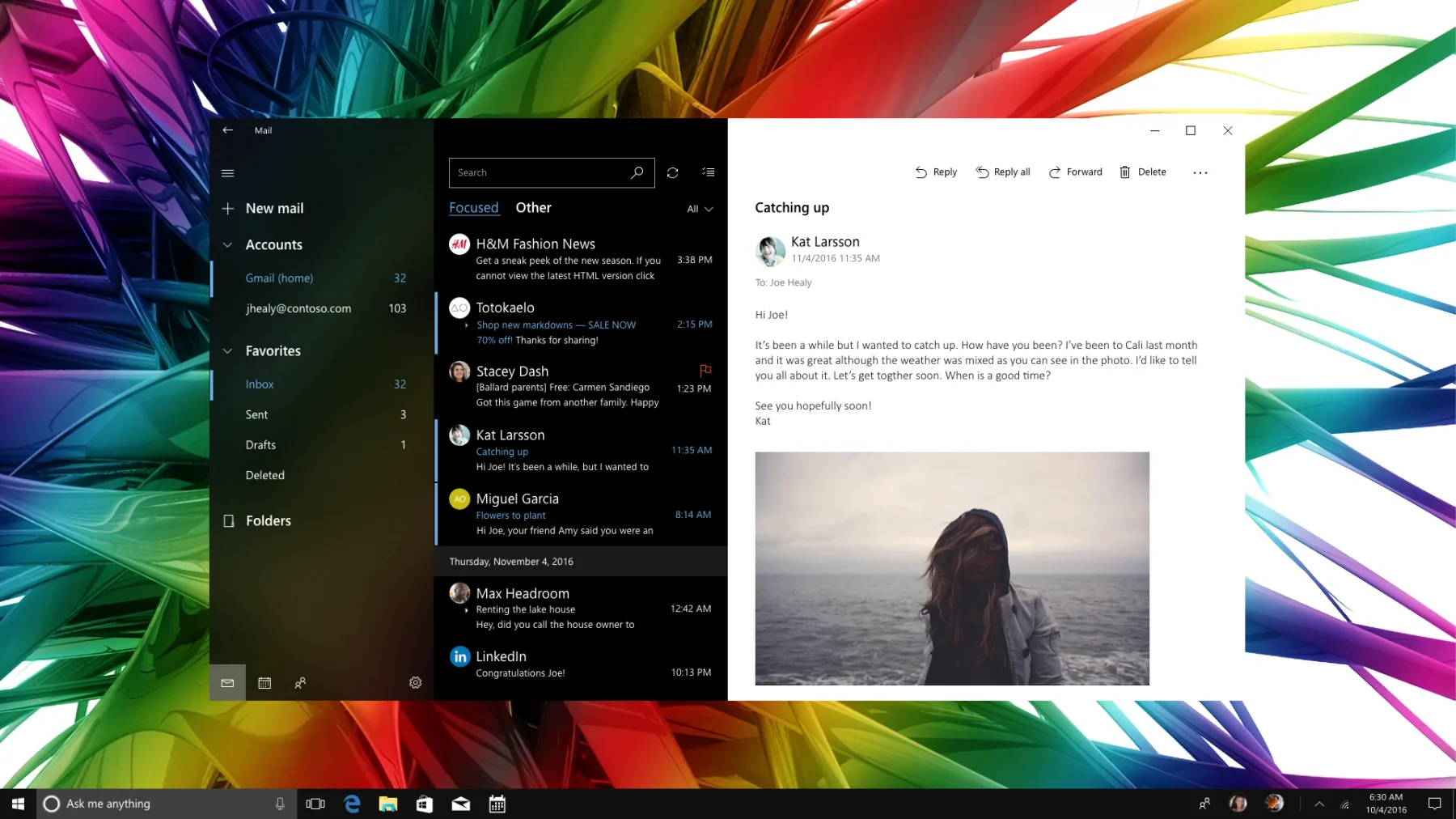
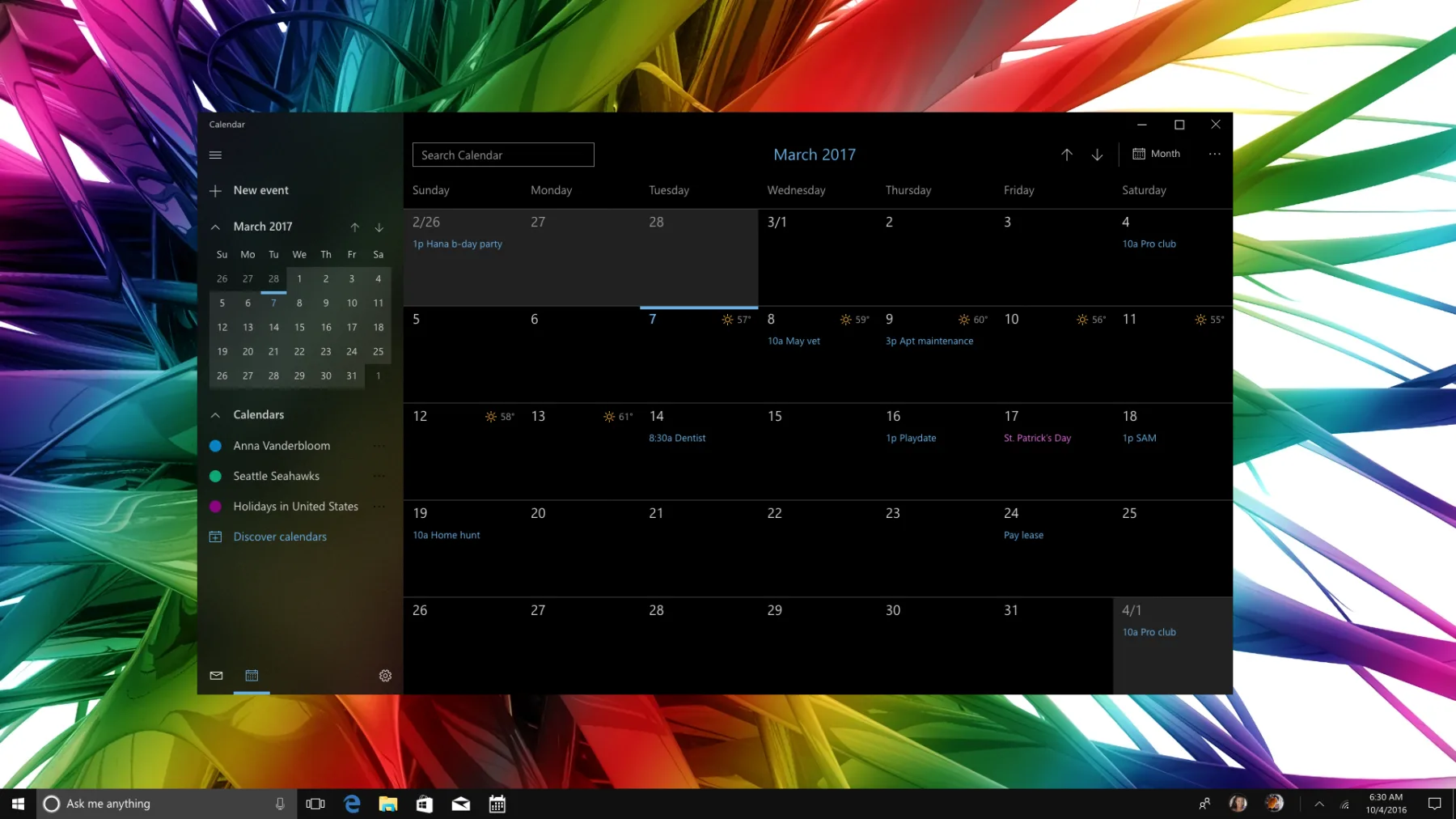
Fluent at Windows scale
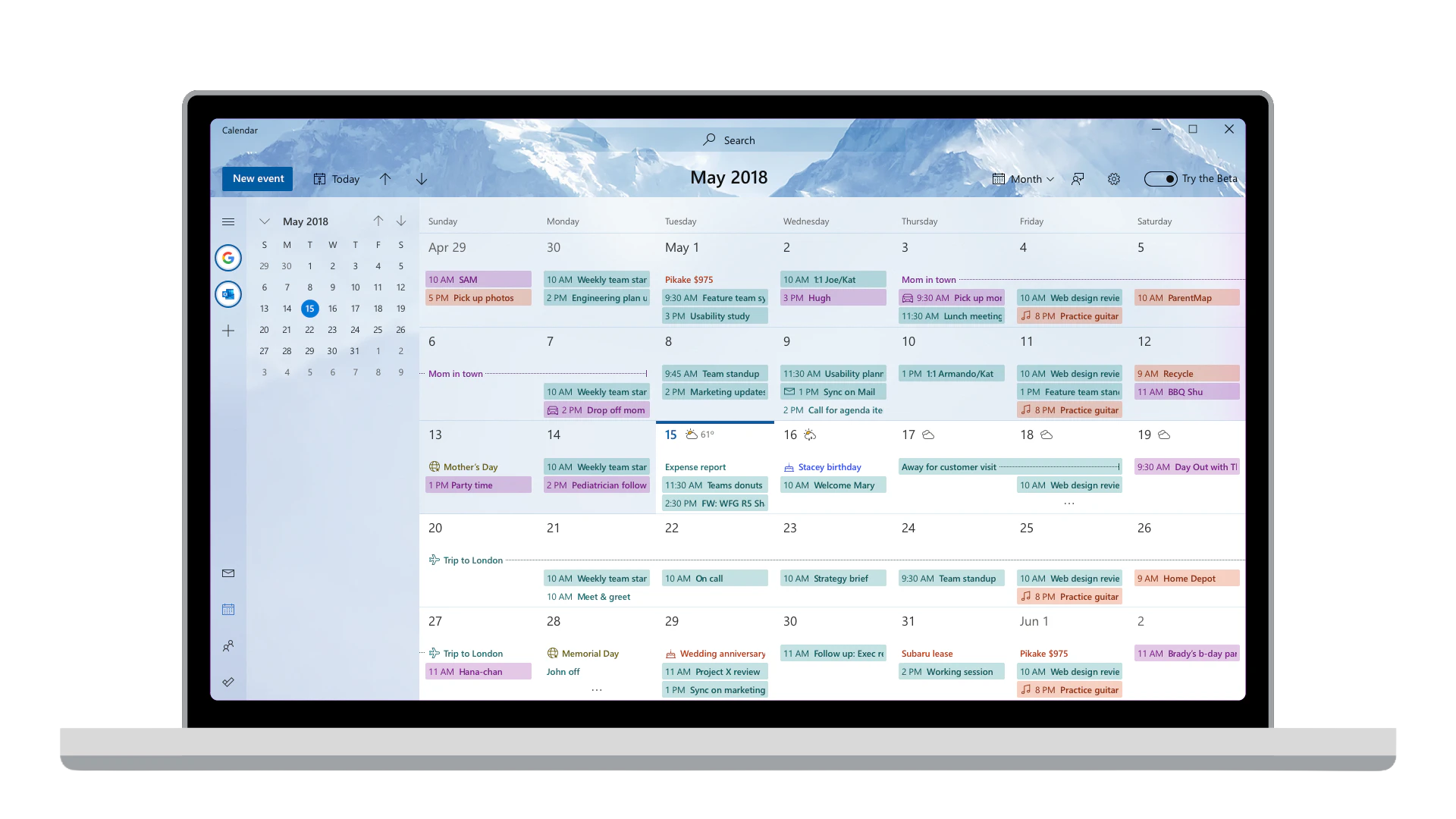
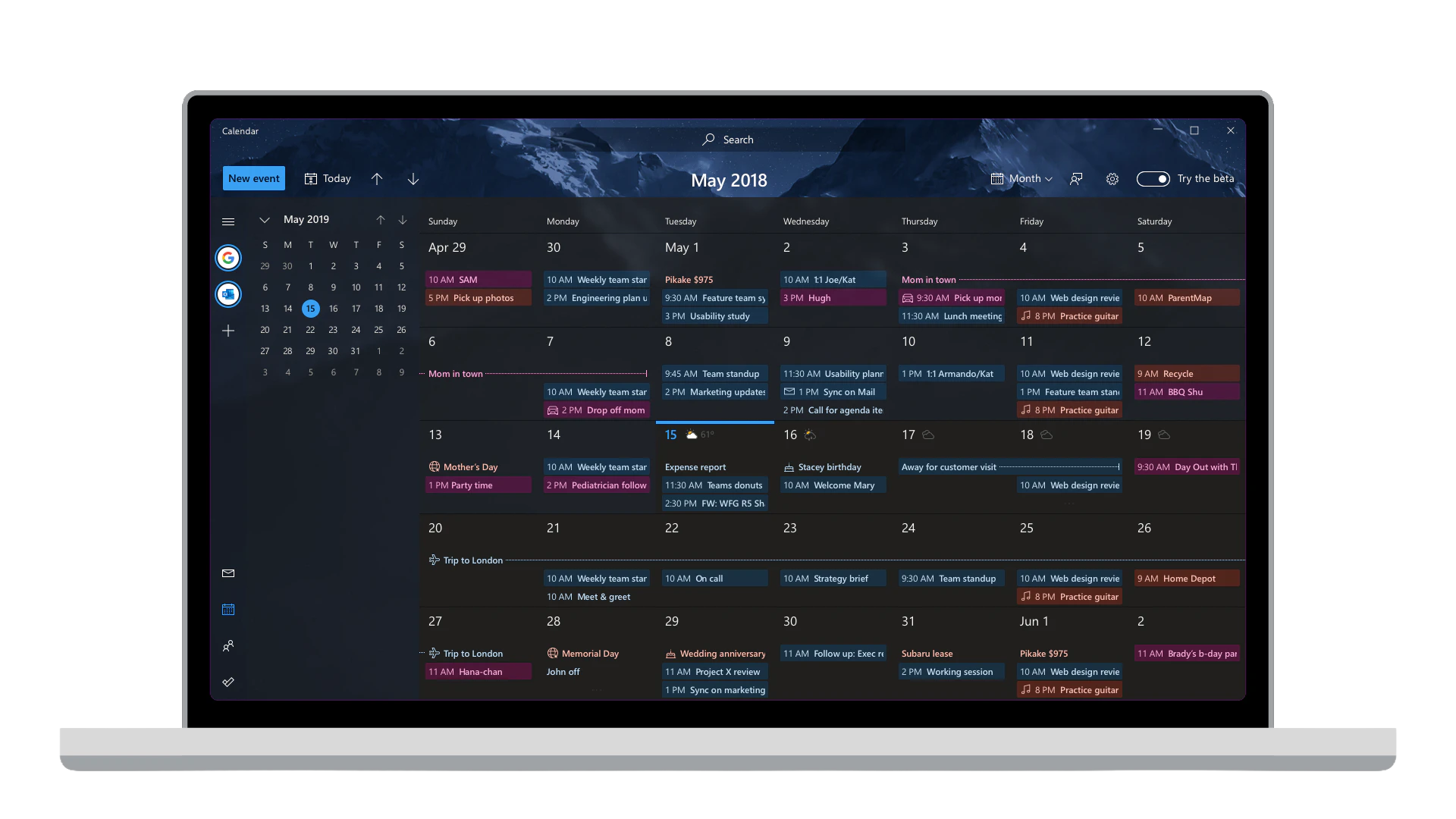
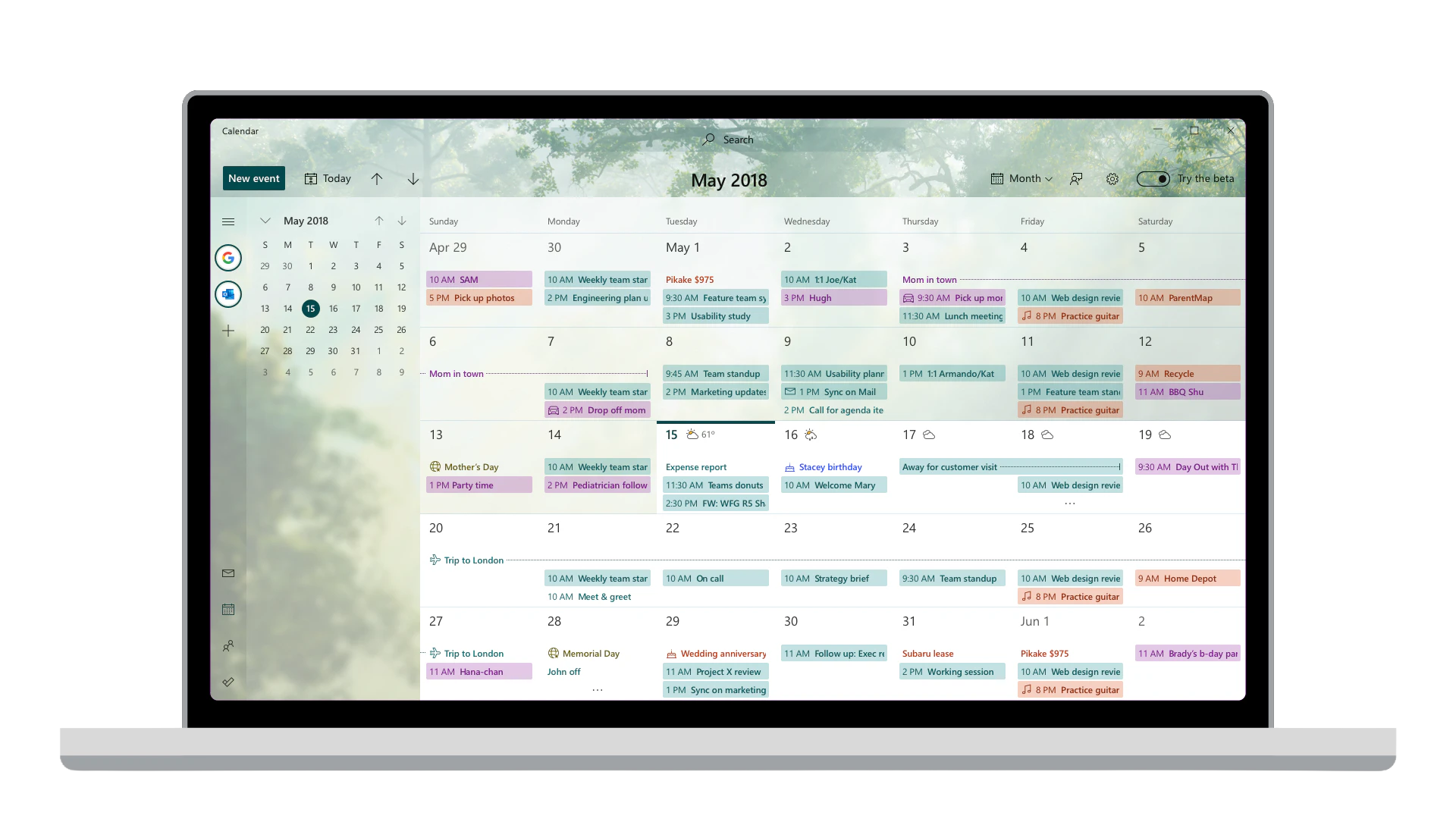
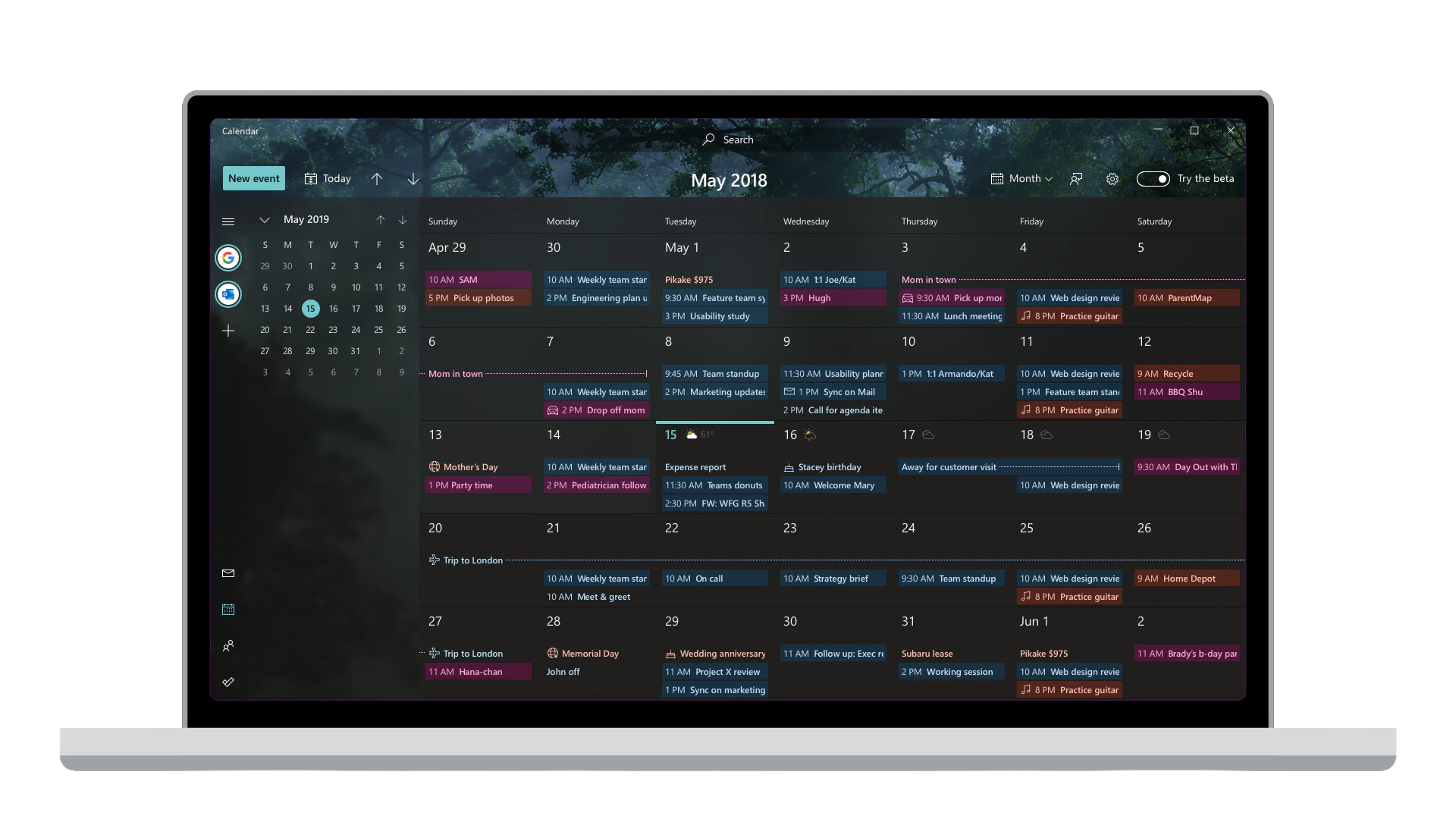
Beginning in 2017, Mail and Calendar helped translate the emerging Microsoft Fluent Design System into shipped product experiences. We applied light, depth, motion, material, and scale to high-frequency communication and planning without sacrificing clarity or familiarity.
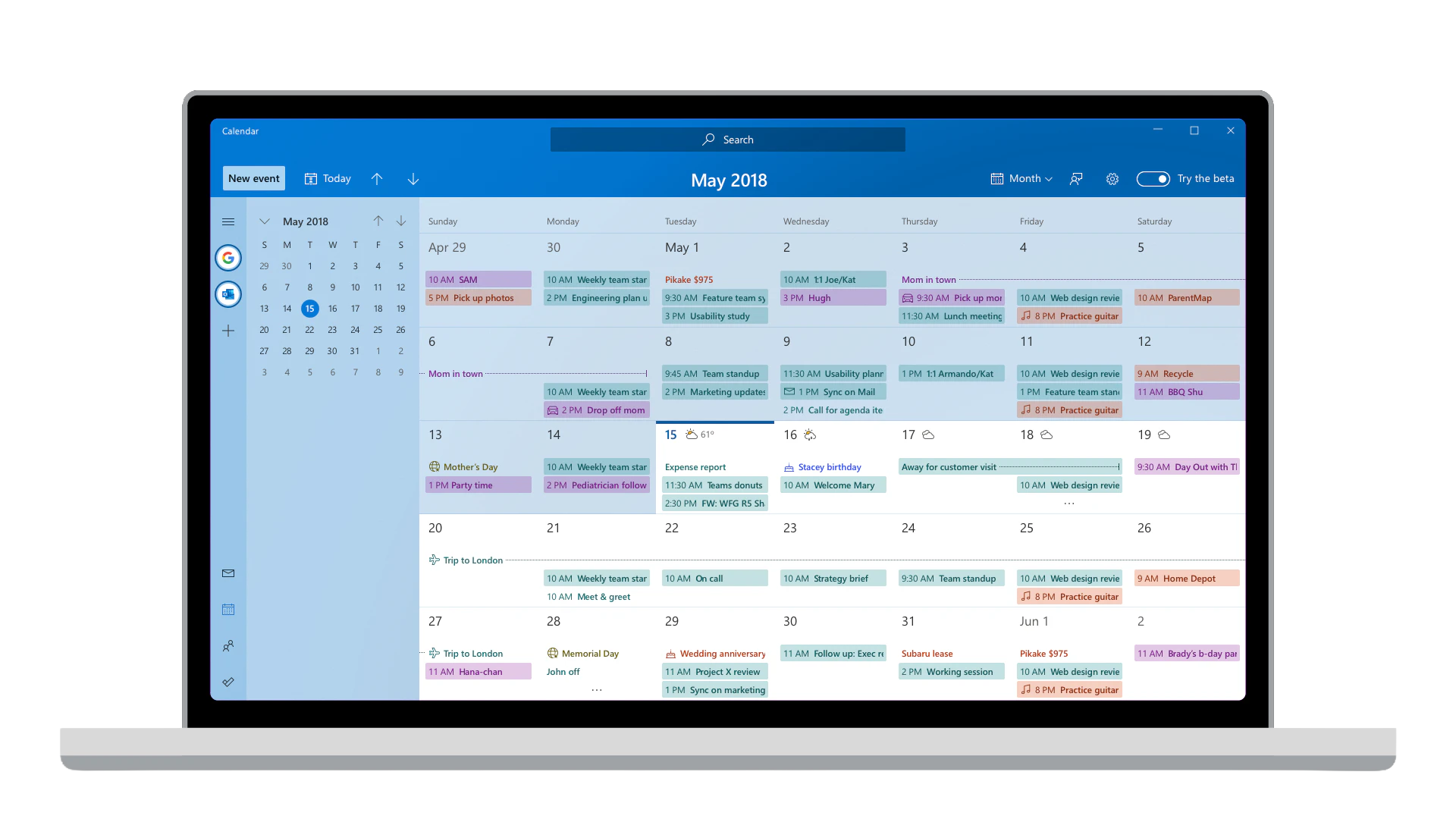
A more adaptable product foundation
The later move from XAML to React Native let us rethink the apps. I set the overall experience strategy and a foundational interaction model centered on personalization, customization, and greater coherence with Outlook. That framework gave a multidisciplinary design team shared direction while feature work moved in parallel.
Shared mechanisms across Outlook for Web and Windows Mail and Calendar
Three mechanisms aligned the broader portfolio:
- Fluent provided a common experience language.
- Experience Reviews used cognitive walkthroughs of core customer tasks before release.
- Flighting and telemetry measured shipping success.
Together, they linked design standards to pre-release review and post-release customer behavior.